Dark Moody Living Room Ideas That Feel Cozy and Designed
Discover stunning dark moody living room ideas to transform your space into a cozy, sophisticated sanctuary. Learn to balance rich colors, lighting, and textures.
Dark Moody Living Room Ideas That Feel Cozy and Designed
For years, the design world was dominated by the "bright, white, and airy" aesthetic. While minimalist, sun-drenched spaces will always have their place, there is a powerful, undeniable shift happening toward the dramatic. Homeowners and designers alike are embracing the shadows, opting instead for spaces that feel intimate, mysterious, and deeply comforting.
If you want to create a space that feels like a warm embrace at the end of a long day, embracing dark moody living room ideas is the ultimate design journey.
Designing a dark room is about far more than simply painting your walls black. It requires a thoughtful orchestration of light, texture, color theory, and spatial awareness. Done incorrectly, a dark room can feel cramped, gloomy, or cold. Done right, it becomes a sophisticated, high-end sanctuary that feels intentionally designed and incredibly cozy.
Here is your comprehensive guide to mastering the dark, moody aesthetic.
The Psychology of the Moody Aesthetic
Before diving into paint swatches, it is helpful to understand why moody interiors are so appealing. Darker colors—such as deep charcoal, forest green, midnight blue, and rich chocolate—have a grounding effect. They absorb light rather than reflecting it, which visually brings the walls inward. This optical shift creates a cocoon-like environment that promotes relaxation, introspection, and intimacy.
In a world that is constantly loud, bright, and fast-paced, a moody living room serves as a sensory sanctuary. It signals to your brain that it is time to unplug, slow down, and rest.
Choosing Your Base: The Ultimate Dark Color Palettes
The foundation of any dark living room design is the color palette. The key to keeping a dark space from feeling flat is to choose a base color with rich, complex undertones.
1. Obsidian and Charcoal (The Modern Monochromatic)
For an ultra-sleek, contemporary look, opt for charcoal greys or near-black tones. Look for blacks with warm brown or deep blue undertones to prevent them from looking like cold asphalt.
2. Forest Green and Moss (The Organic Sanctuary)
Deep, saturated greens bring the soothing essence of nature indoors. This palette feels incredibly organic, luxurious, and pairs beautifully with natural wood tones and brass accents.
3. Midnight Blue and Indigo (The Regal Retreat)
If you are hesitant to go completely neutral, a deep midnight blue offers a stunning compromise. It is incredibly sophisticated, timeless, and serves as an excellent backdrop for art.
4. Chocolate Brown and Espresso (The Warm Cocoon)
Brown is having a massive resurgence in the interior design world. Rich espresso and warm chocolate tones create an earthier, softer approach to the moody aesthetic, making the space feel instantly lived-in and welcoming.
Essential Elements of a Designed Moody Space
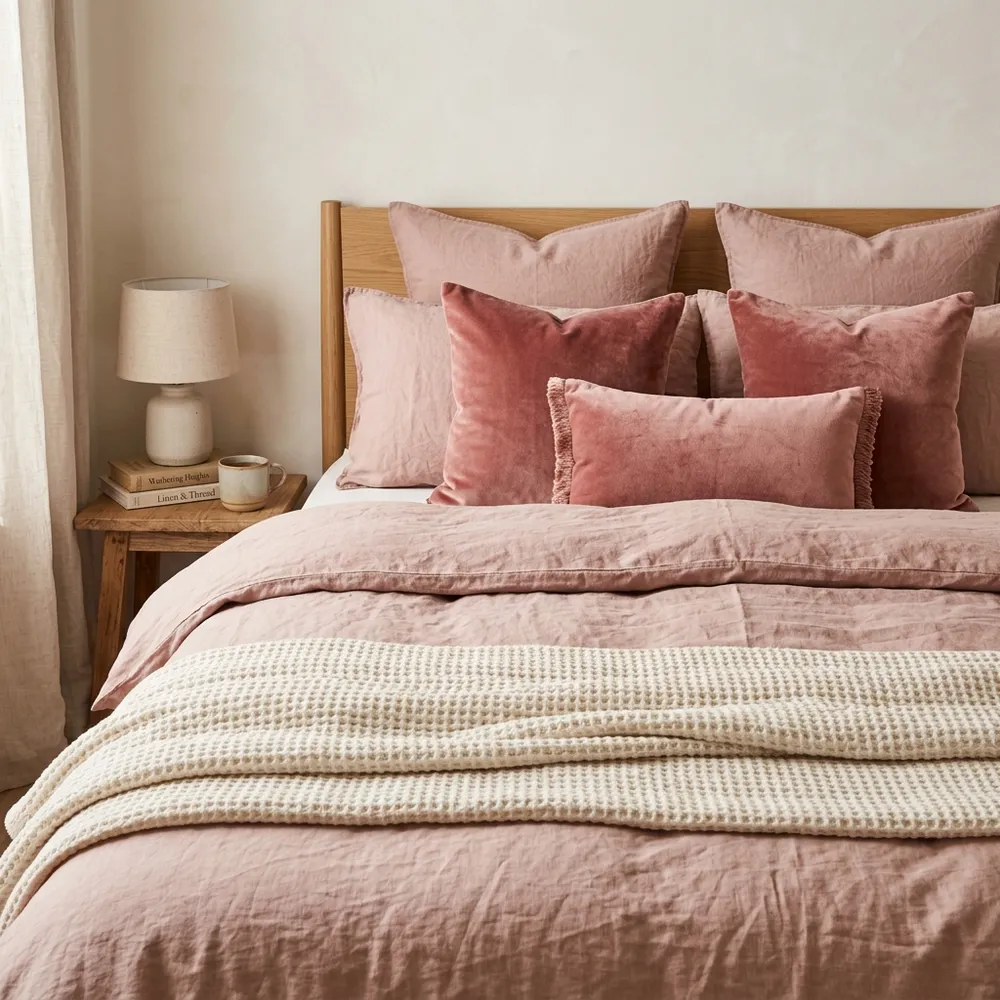
To elevate your space from simply "dark" to "professionally designed," you must focus on three core pillars: texture, lighting, and contrast.
1. The Art of Layering Textures
When you limit the color palette to darker hues, texture becomes your primary tool for creating visual interest and depth. Without a variety of tactile surfaces, a dark room will look flat and uninviting.
- Velvet and Bouclé: Use highly tactile fabrics for your primary seating. A plush velvet sofa in a rich jewel tone or a cozy bouclé accent chair adds instant warmth.
- Natural Woods: Incorporate dark walnut, reclaimed oak, or charred wood (Shou Sugi Ban) to introduce organic grain patterns.
- Woven Textiles: Layer chunky knit throws, linen drapery, and thick wool rugs to soften the hard angles of the room.
- Leather and Stone: A distressed cognac leather chair or a honed dark marble coffee table introduces sophisticated contrast and a touch of rugged luxury.
2. Masterclass in Layered Lighting
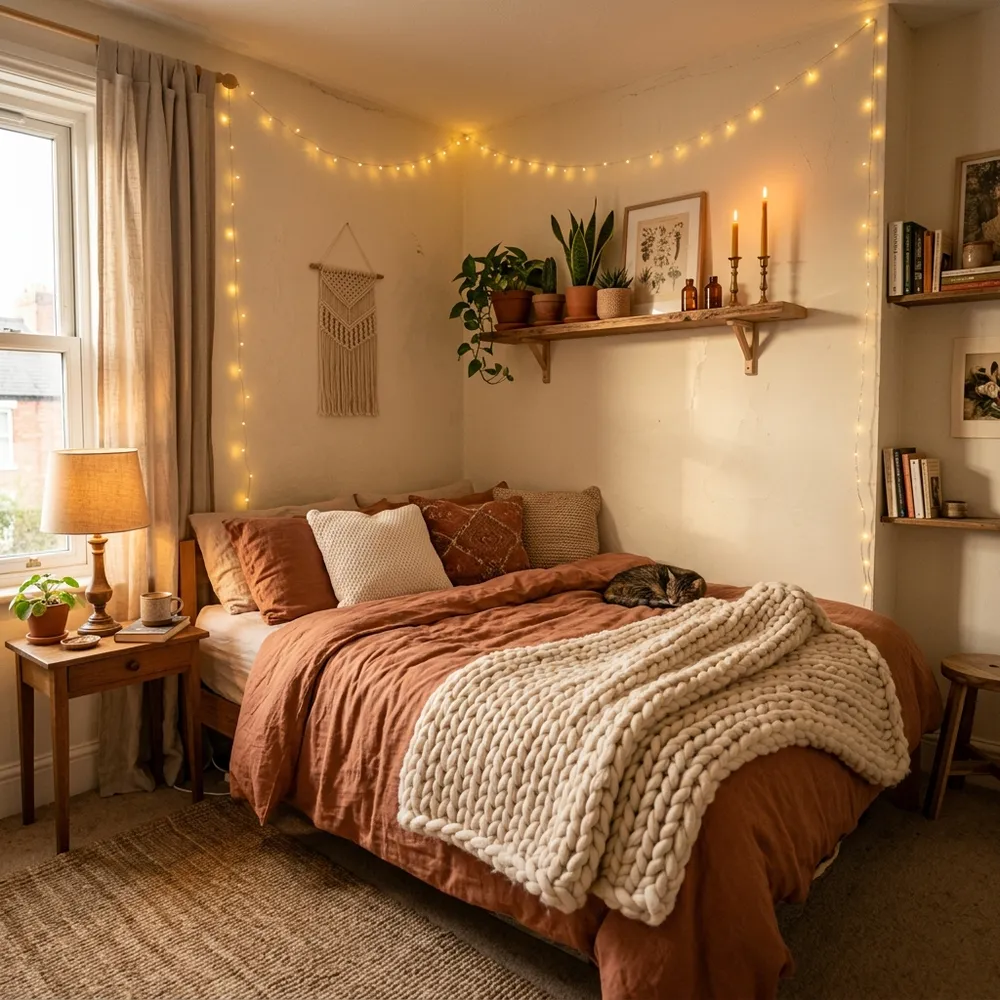
In a bright room, natural light does most of the heavy lifting. In a dark room, artificial lighting is the star of the show. The goal is not to illuminate the entire room evenly, but to create pockets of warmth and drama (a technique known in art as chiaroscuro).
- Ditch the Overhead Lighting: Avoid harsh recessed ceiling lights. If you must use them, put them on a dimmer switch and keep them low.
- Focus on Low-Level Lighting: Place table lamps, floor lamps, and library sconces at eye level or lower. This draws the eye down and enhances the cozy atmosphere.
- Use Warm Bulb Temperatures: Always opt for warm white bulbs (between 2700K and 3000K). Cool-toned light in a dark room will look clinical and eerie.
- Introduce Candlelight: Never underestimate the power of real fire. The flicker of candles or a roaring fireplace adds a living, moving element of warmth that cannot be replicated by electricity.
3. Creating Strategic Contrast
A common mistake when executing dark moody living room ideas is making everything dark. To make the dark elements pop, you need strategic moments of brightness.
- Metallic Accents: Polished brass, brushed bronze, and antique gold act like jewelry for a dark room. They catch the light beautifully and add a sense of refined luxury.
- Curated Artwork: Frame art with wide, light-colored matting or choose paintings with vibrant, warm tones to break up large expanses of dark wall.
- The Fifth Wall (The Ceiling): You have two choices for the ceiling. You can paint it the same dark color as the walls for a seamless, wrapping effect (ideal for media rooms), or you can paint it a warm, creamy off-white to lift the space and keep it feeling balanced.
Layout and Furniture Curation
When selecting furniture for a moody living room, scale and form are paramount. Because dark walls visually recede, you have the opportunity to make bold statements with your furniture.
Go Big on Comfort
A moody room is meant for lounging. Opt for deep-seated sofas, sectional configurations, and oversized armchairs. Low-profile furniture works exceptionally well in dark spaces, as it emphasizes the height of the room and maintains an unobstructed view of your carefully curated lighting.
Ground the Space with the Perfect Rug
Your rug acts as the anchor for your entire furniture arrangement. In a dark room, a vintage-inspired distressed rug with muted reds, blues, and creams can tie the entire palette together. Alternatively, a high-pile cream shag rug can provide a stunning, high-contrast foundation that feels incredibly soft underfoot.
Styling a Moody Moodboard (The Designer's Blueprint)
If you are planning your redesign, creating a cohesive moodboard is the best way to visualize how your elements will interact. Here is how a professional designer labels and curates a moody living room scheme:
- The Anchor (60% of the room): Your wall color (e.g., a matte charcoal paint) and your primary seating (e.g., a deep navy velvet sofa).
- The Secondary Tone (30% of the room): Your flooring and large furniture pieces (e.g., dark oak floors, a cognac leather armchair, and a vintage Persian-style rug).
- The Accent (10% of the room): Your metal finishes and styling objects (e.g., unlacquered brass sconces, marble styling beads, and vibrant botanical arrangements).
By keeping your proportions balanced, your dark living room will look intentionally styled rather than cluttered.
Frequently Asked Questions (FAQ)
Frequently Asked Questions (FAQ)
Q: Will painting my living room a dark color make it look smaller?
A: Not necessarily. While dark colors bring the walls in visually, they also blur the boundaries of the room. Because the corners of the room are cast in shadow, it can actually create an illusion of infinite depth, making the space feel grander and more atmospheric rather than cramped.
Q: How do I choose the right finish of paint for a dark room?
A: For dark walls, always opt for a matte or flat finish. Glossy or satin finishes reflect too much light, which can create harsh, distracting glares on dark surfaces and highlight any imperfections in your drywall. If you want a subtle sheen, a high-quality chalk paint or Roman clay finish can add beautiful, velvety texture.
Q: Can I execute a dark moody living room if I don't get much natural light?
A: Absolutely! In fact, rooms with low natural light are the prime candidates for a moody design. Trying to paint a naturally dark room bright white often results in a space that looks dingy and grey. Embracing the darkness and leaning into a moody aesthetic allows you to work with the natural limitations of the room rather than against them.
Q: How do I keep a dark living room from feeling depressing?
A: The secret lies in warmth and life. To prevent a dark room from feeling somber, introduce plenty of warm wood tones, metallic accents that reflect light, and living elements like house plants. Plants thrive beautifully against dark backgrounds, as their vibrant green leaves pop dramatically against charcoal or black walls.
Love these ideas?
Save this article to your Pinterest board for later inspiration!