How to Keep The Room Calm in a Small Bedroom
Expert guide to maintaining a calm atmosphere in a small bedroom. Minimizing visual stress, optimizing sleep environment, and creating lasting peace.

Calm in a small bedroom is not a decorating trend. It is a functional necessity. When your bedroom is compact, every source of visual or sensory noise is amplified. Creating and maintaining calm requires both initial design decisions and daily habits that prevent chaos from creeping back.
Visual Noise Elimination
Smart Ideas for Visual Noise Elimination
Identify every source of visual noise in your room: exposed cords, open piles of clothes, mismatched items on surfaces, and anything broken or unused. Each one adds a small amount of mental processing load. In a small room, these add up quickly to create a background hum of stress that disrupts relaxation.
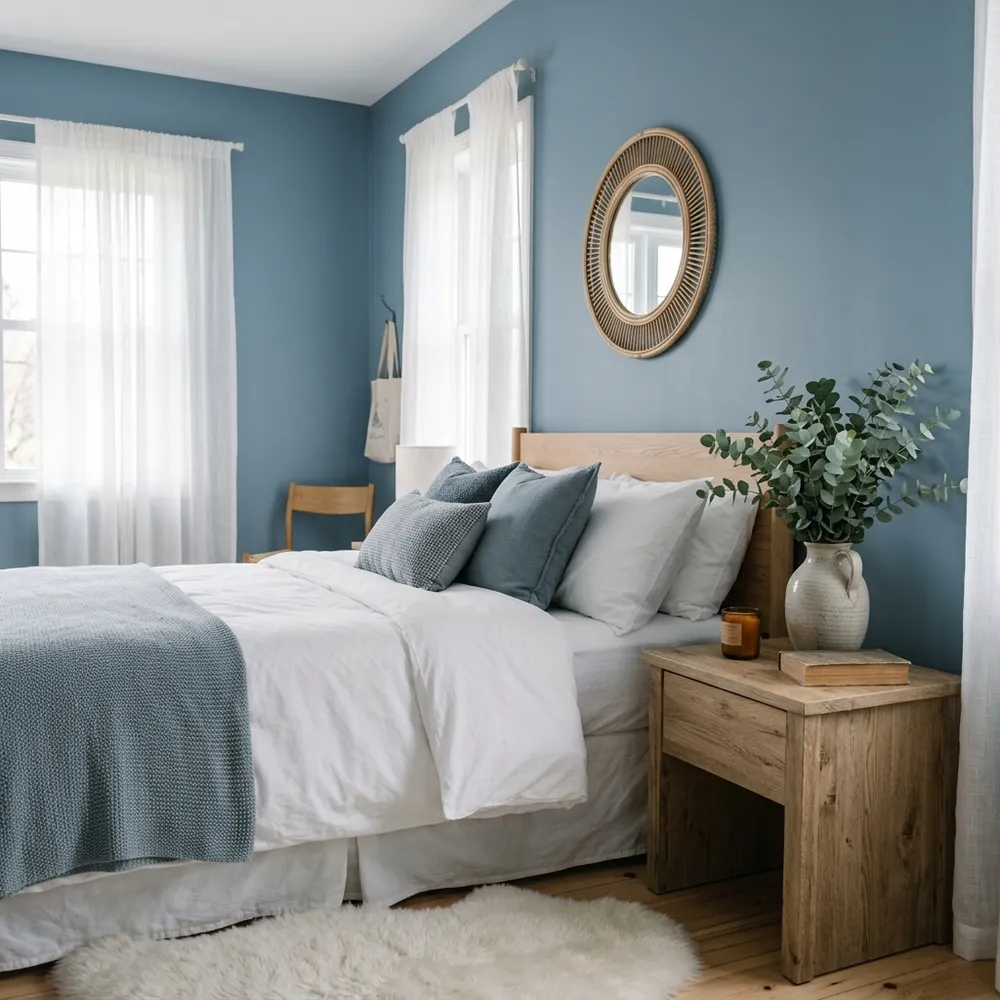
The Color of Calm
Color Palette Selection
Muted, cool-toned colors promote calm: dusty blue, sage green, soft lavender, and warm gray. Avoid pure white, which can feel clinical, and very dark colors, which can feel oppressive in small spaces. The ideal calm palette uses two to three closely related tones with gentle contrast.
Surface Discipline
Smart Storage Solutions
Every horizontal surface in your bedroom will accumulate items unless you actively prevent it. Adopt a zero-clutter policy: nightstands hold only essentials, dressers hold only intentional decorative items, and the floor holds nothing except furniture and a rug. Return everything else to its proper storage location daily.
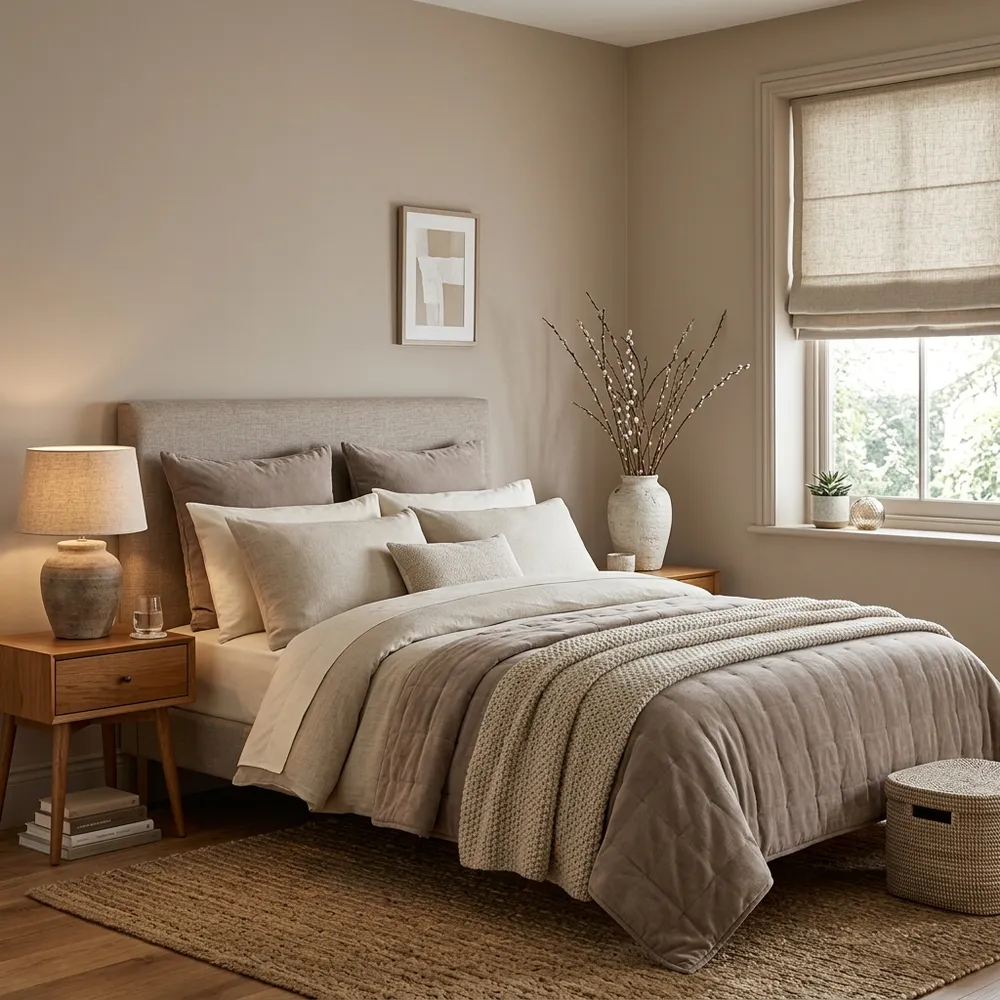
Bedtime Environment
Lighting and Ambience
A calm bedroom optimizes for sleep. Blackout curtains or a well-fitting eye mask block light. A white noise machine masks disruptive sounds. Room temperature between sixty-five and sixty-eight degrees Fahrenheit promotes optimal sleep. These functional elements are as important as any decorating choice.
Digital Boundaries
Bedside Table Placement
Keep screens out of the bedroom when possible, or at minimum establish boundaries. A phone charging station across the room rather than on the nightstand reduces bedtime scrolling. Avoid TV in the bedroom. If you read on a tablet, use night mode with reduced blue light.
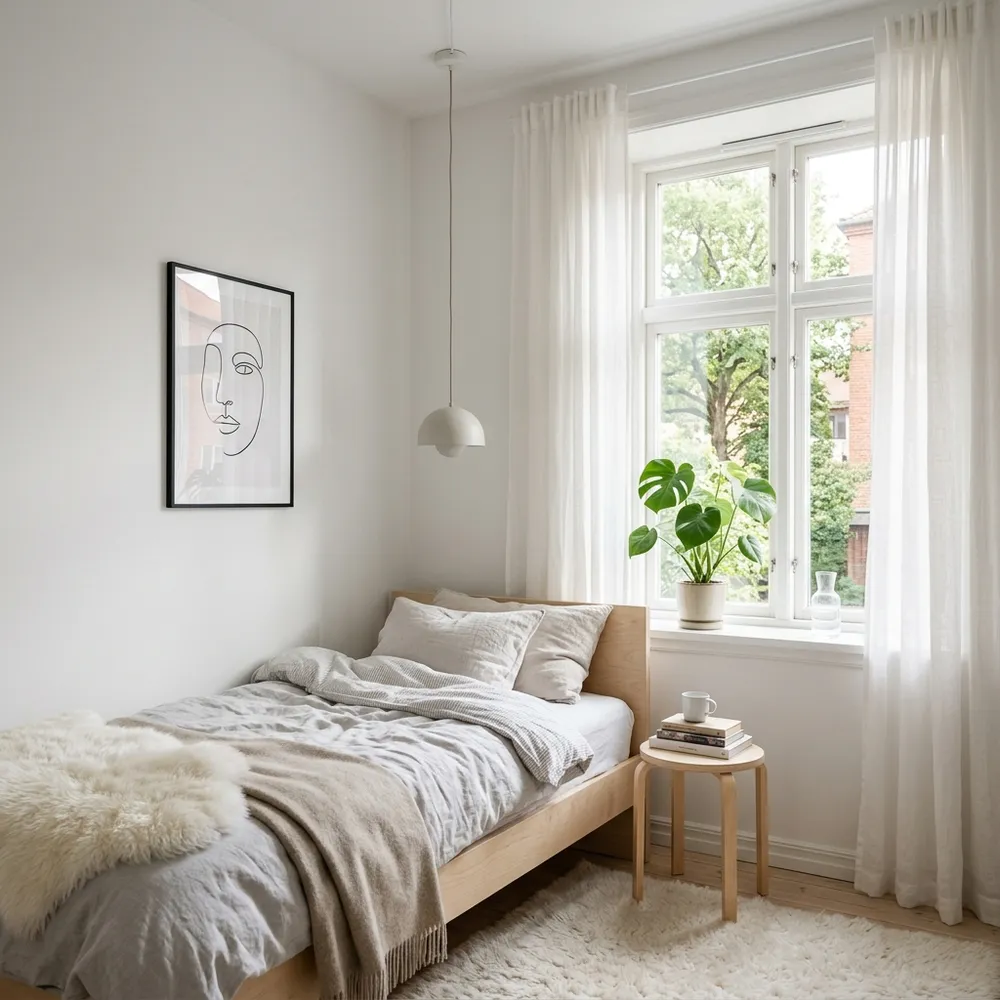
Weekly Maintenance Ritual
Soft Furnishings and Textiles
Every Sunday, spend fifteen minutes resetting your bedroom: wash sheets, dust surfaces, reorganize anything that has migrated out of place, and remove any new items that do not belong. This weekly ritual prevents the gradual accumulation of disorder that destroys calm environments.
The Calm Checklist
Ambient Lighting Solutions
Before bed each night, run a quick mental checklist: Are all surfaces clear? Are clothes put away? Are cords hidden? Is the temperature set? Is the lighting warm and low? This two-minute assessment ensures you go to sleep in a properly calm environment every single night.
Frequently Asked Questions (FAQ)
How can I make my small bedroom feel less cluttered and more peaceful?
Decluttering is paramount. Start by removing any items that don't belong or aren't essential. Utilize smart storage solutions such as under-bed drawers, wall-mounted shelves, and multi-functional furniture (like an ottoman with storage). Keep surfaces clear, displaying only a few carefully chosen items. A minimalist approach significantly reduces visual noise and fosters a sense of calm.
What color schemes are best for promoting calmness in a small bedroom?
Light, cool, and neutral colors are ideal for small spaces as they make a room feel larger and more serene. Consider soft whites, creams, light grays, pale blues, and gentle greens. These hues reflect light, creating an open and airy atmosphere. You can introduce subtle warmth or depth with natural wood tones or very muted accent colors through textiles like pillows or throws.
Are there specific furniture arrangements or decor tips for creating a calm small bedroom?
For furniture arrangement, prioritize essentials like the bed, a small nightstand, and possibly a slim dresser. Position the bed to allow easy movement around it, often against the longest wall. Opt for furniture with clean lines and avoid overly bulky pieces. For decor, focus on soft, layered lighting (dimmers, bedside lamps), natural textures (cotton, linen, wood), and a few personal touches like a simple plant or a framed photo. Avoid excessive patterns or bright, stimulating decor, and keep window treatments simple and light to maximize natural light.
Love these ideas?
Save this article to your Pinterest board for later inspiration!


