How to Make a Small Living Room Feel Bigger without Buying Everything New
Transform your home with these how to make a small living room feel bigger without buying everything new. Explore professional interior design ideas, smart l...
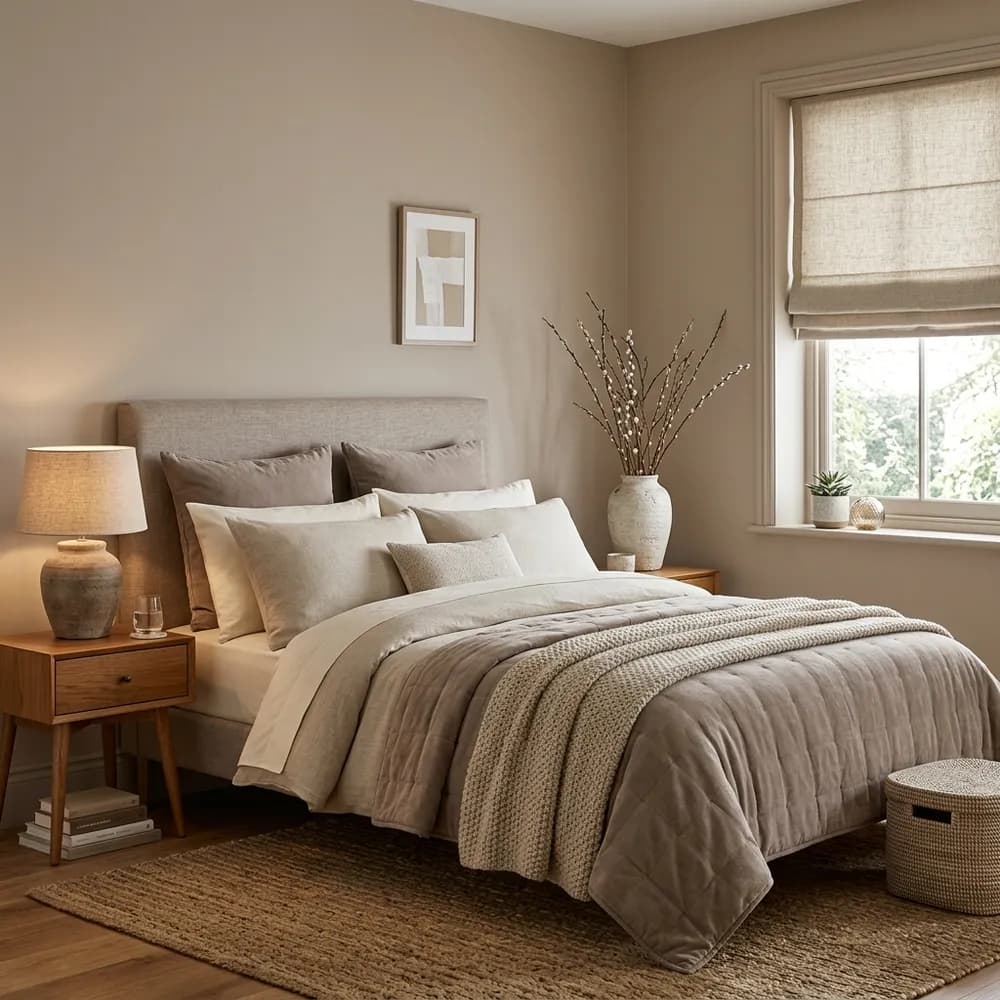
Designing a compact home requires a thoughtful balance between high-end aesthetic appeal and practical everyday functionality. When executing how to make a small living room feel bigger, every square inch counts. Rather than feeling restricted by smaller footprints, smart interior design techniques allow you to turn spatial constraints into a cozy, curated sanctuary.
In this comprehensive guide, we explore how to style How to Make a Small Living Room Feel Bigger without Buying Everything New with professional design solutions, curated color palettes, and strategic furniture arrangements.
1. Master the Art of Vertical Layouts
When horizontal floor space is limited, the most effective strategy is looking upward. Utilizing vertical wall space allows you to expand storage capacity and elevate the eye, making low or standard ceilings feel noticeably taller.
Streamlining Wall Spaces
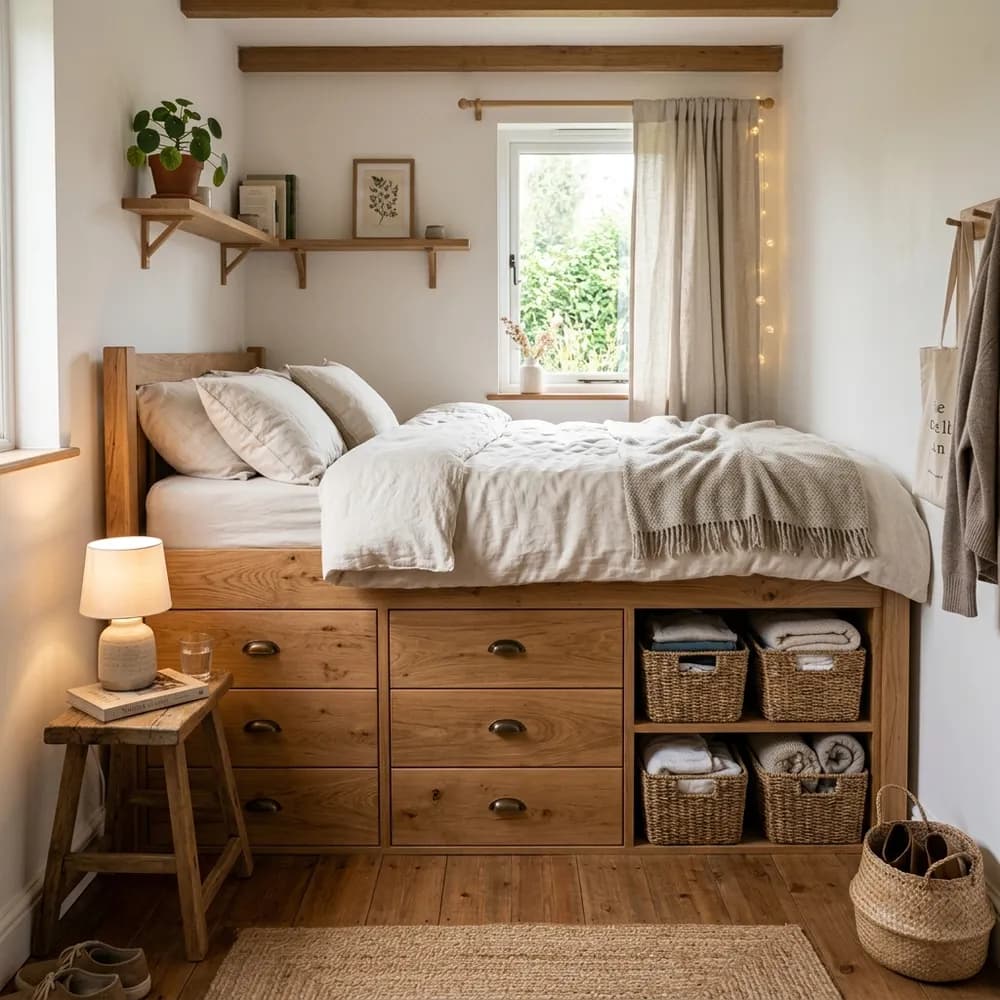
Instead of placing heavy storage units directly on the floor, consider wall-mounted floating shelves or tall, slender bookcases. This keeps the floor area visible, creating an uninterrupted visual flow across the room.
- Pro Tip: Hang floor-to-ceiling drapes high above windows to draw the eye upward and emphasize vertical ceiling height.
Incorporating Light-Reflecting Features
Strategic placement of reflective surfaces is a classic designer secret. Position a large, arched or floor-length mirror opposite your main light source to amplify daylight throughout the room.
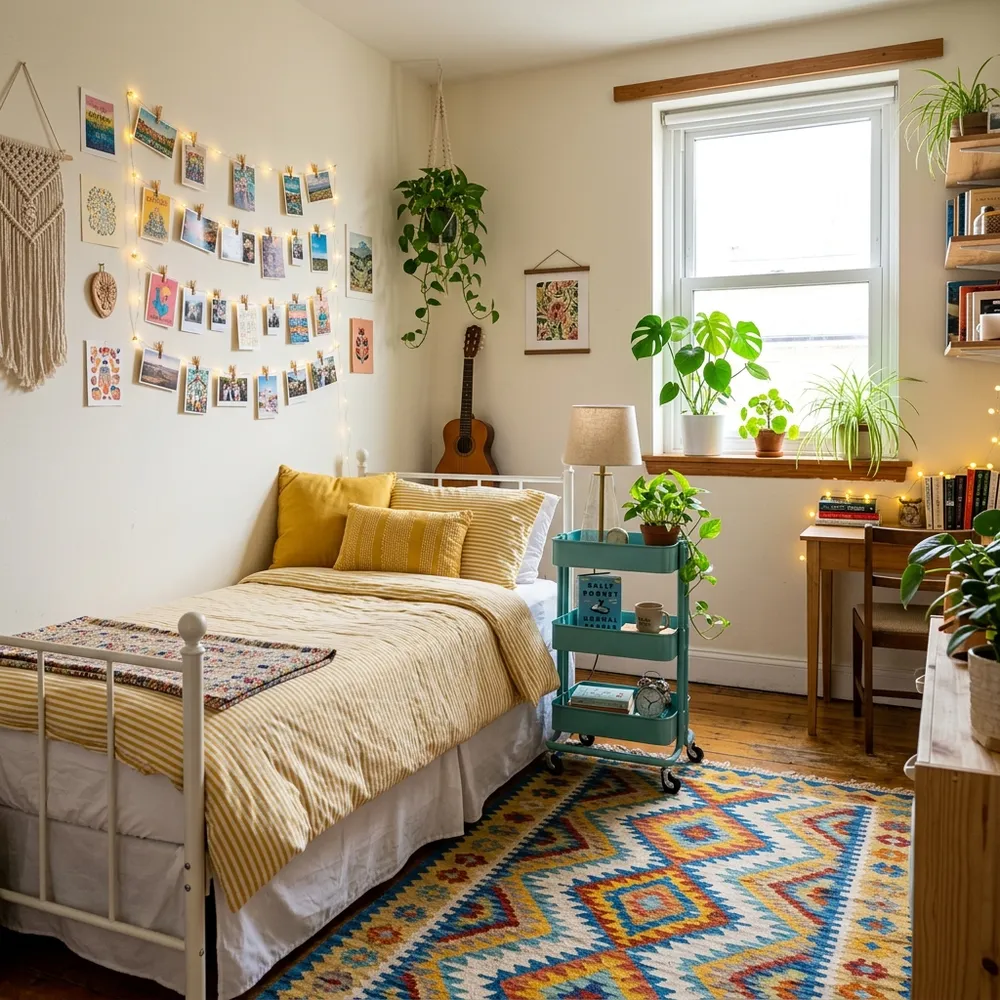
2. Choosing a Harmonious Color Palette and Texture Layering
Color choices drastically influence how large or small a room feels. For how to make a small living room feel bigger, a cohesive palette paired with rich tactile materials creates visual warmth without adding visual clutter.
Recommended Palette Scheme
For a timeless, high-end feel, consider this curated combination: Warm Greige & Brass.
-
Primary Wall Shade: Light, reflective neutrals like soft alabaster, warm beige, or muted sage.
-
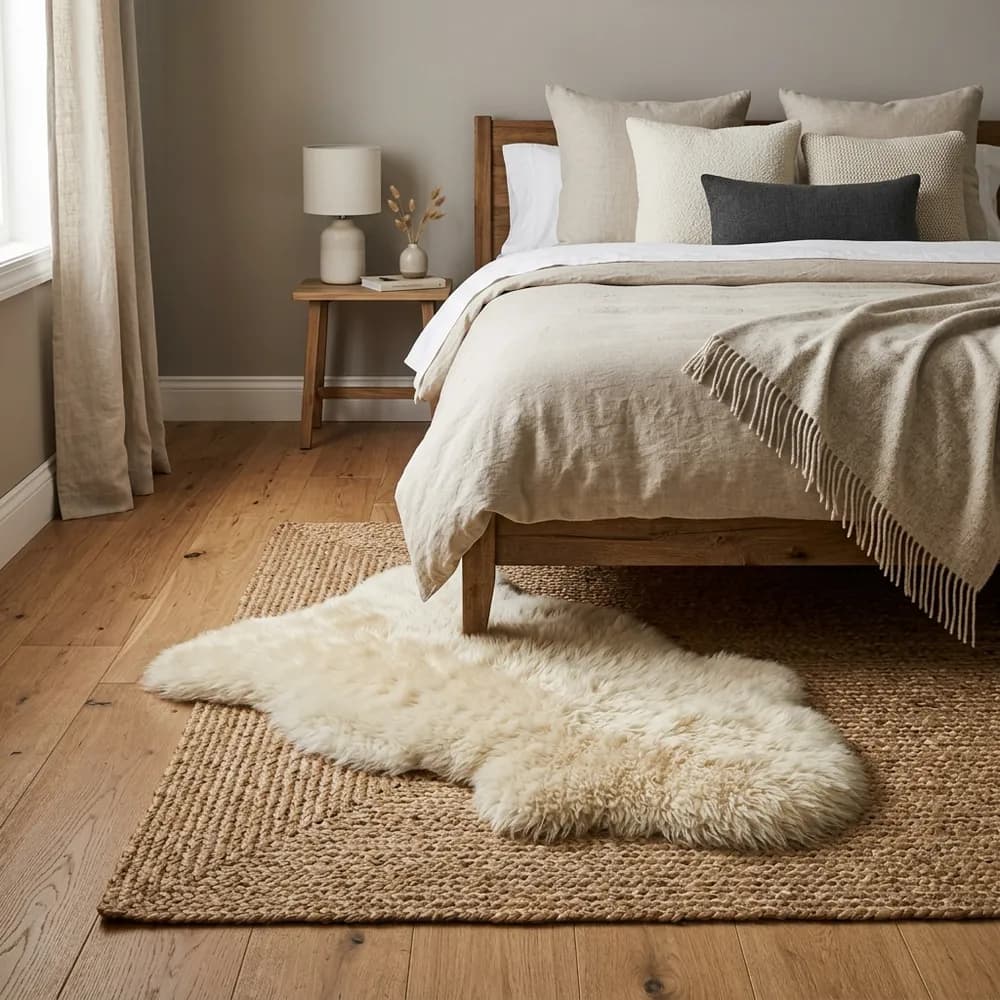
Textile Textures: Layer washed linen, waffle-weave cotton blankets, and tactile wool throws to build cozy depth.
-
Accent Touches: Incorporate warm brass, matte black hardware, or natural oak wood grains for grounding contrast.
-
Pro Tip: Define functional zones in an open-plan small living room using a soft, textured area rug that grounds the seating group.
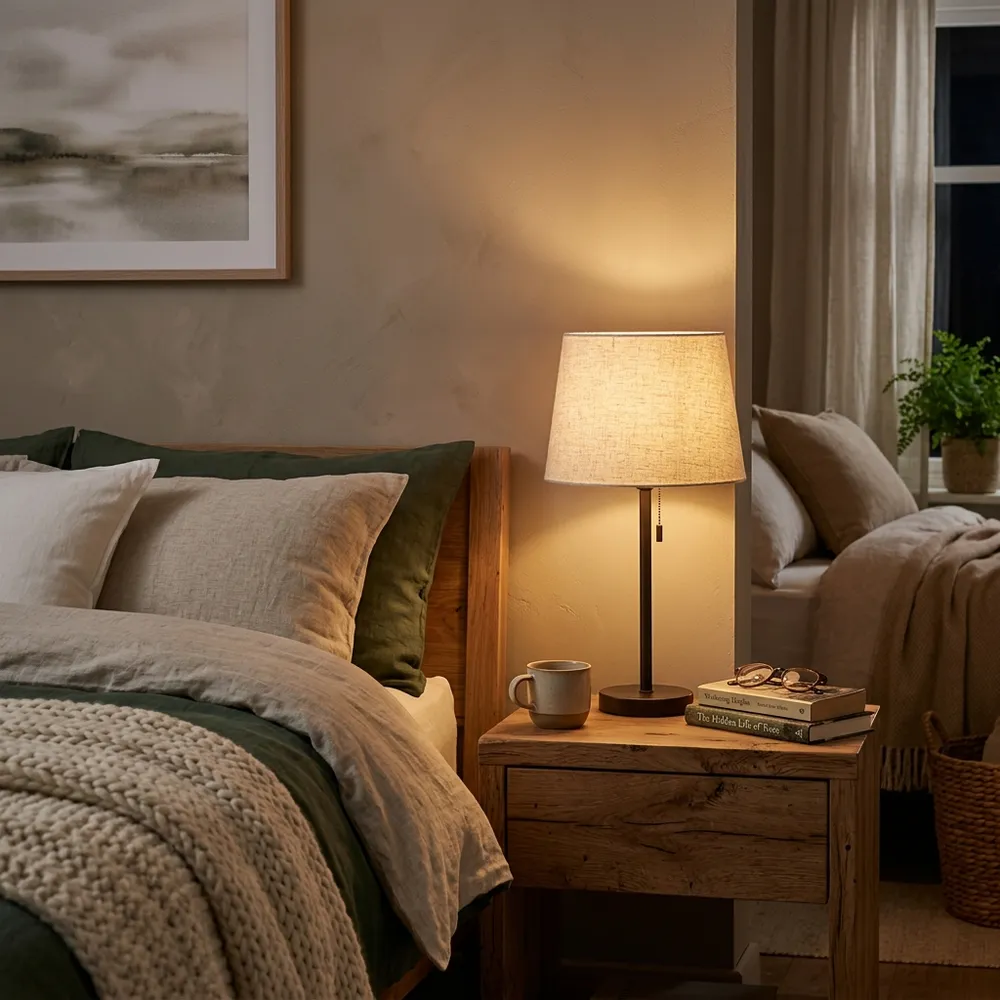
3. Smart Furniture Selection and Layout Flow
Selecting furniture for how to make a small living room feel bigger without buying everything new demands careful attention to scale and proportion. Heavy, oversized furniture pieces overpower small rooms, whereas slim-profile or multifunctional designs maximize every square foot.
Key Furniture Considerations
- Exposed Leg Profiles: Choose sofas, nightstands, or chairs with slender wooden or metal legs that sit off the floor.
- Hidden Dual Storage: Select ottomans, bed frames, or benches with lift-top compartments to keep everyday items neatly tucked away.
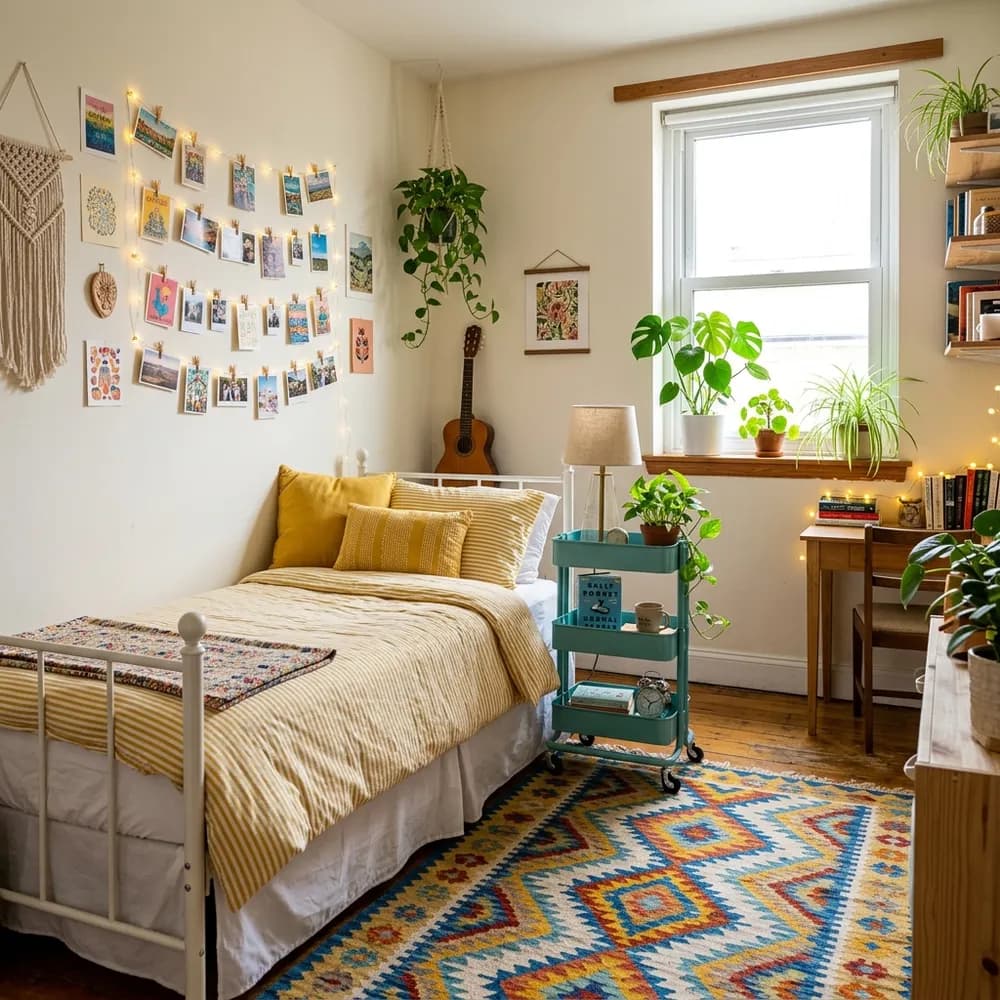
- Flexible Nesting Pieces: Utilize nesting tables or mobile carts that can be reconfigured effortlessly when hosting guests.
- Pro Tip: Select a sofa with exposed legs rather than a skirted base to allow light and sightlines to flow underneath the furniture.
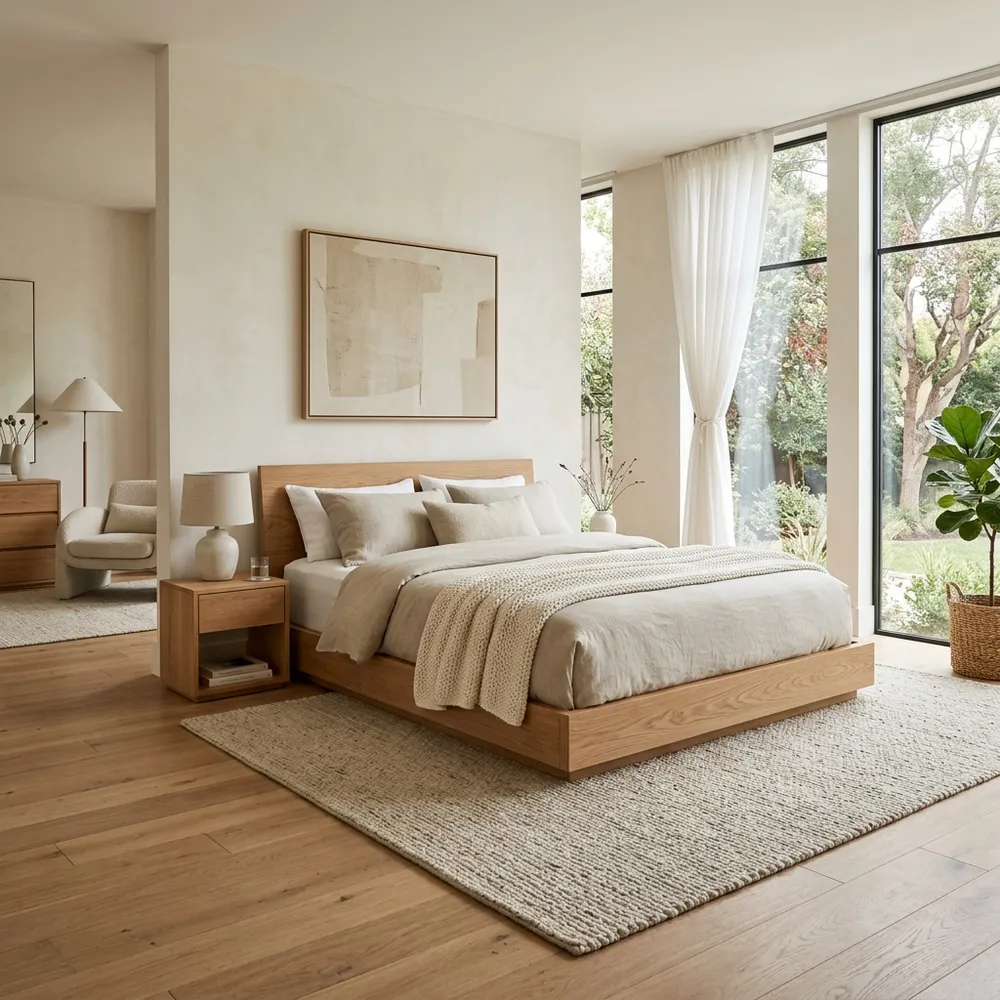
4. Final Styling Touches and Editorial Organization
The difference between a cluttered space and a magazine-worthy room lies in intentional editing. Group smaller accessories in odd numbers (rule of threes) on trays or floating ledges, leaving empty space between decorative clusters so the room can breathe.
By focusing on apartment-scale sofas, floating TV consoles, and thoughtful curation, your space will feel expansive, serene, and uniquely tailored to your lifestyle.
Frequently Asked Questions (FAQ)
How can I make the most of a small space with how to make a small living room feel bigger?
The key is prioritizing multi-functional furniture, keeping sightlines clear, and utilizing vertical space. Focus on apartment-scale sofas and floating TV consoles to maximize functionality while maintaining an airy, uncluttered look.
What color palette works best for living room ideas?
A recommended palette includes Warm Greige & Brass. Light neutrals bounce natural illumination across room surfaces, while subtle contrasting accents add depth without shrinking the space.
What are common design mistakes to avoid in how to make a small living room feel bigger without buying everything new?
Avoid overcrowding surfaces with undersized decor pieces, blocking natural window light with heavy drapes, and using floor-heavy furniture that disrupts visual flow. Stick to elevated leg profiles and slim silhouettes.
Love these ideas?
Save this article to your Pinterest board for later inspiration!