How to Make The Room Feel Bigger in a Small Bedroom
Discover how to make the room feel bigger in a small bedroom. Master light-reflecting paint, strategic furniture layouts, and smart mirror placement.

Having a small bedroom does not mean you have to feel cramped or crowded. In fact, with a few strategic design choices, you can trick the eye into seeing more space, making your room feel much larger, brighter, and more open. By focusing on light-reflecting paint colors, choosing the right furniture scale, and using mirrors to reflect natural light, you can completely transform your bedroom layout. Here is how to make it feel bigger.
Optimizing Light-Reflecting Paint Colors
Choosing Warm Whites and Light Neutrals
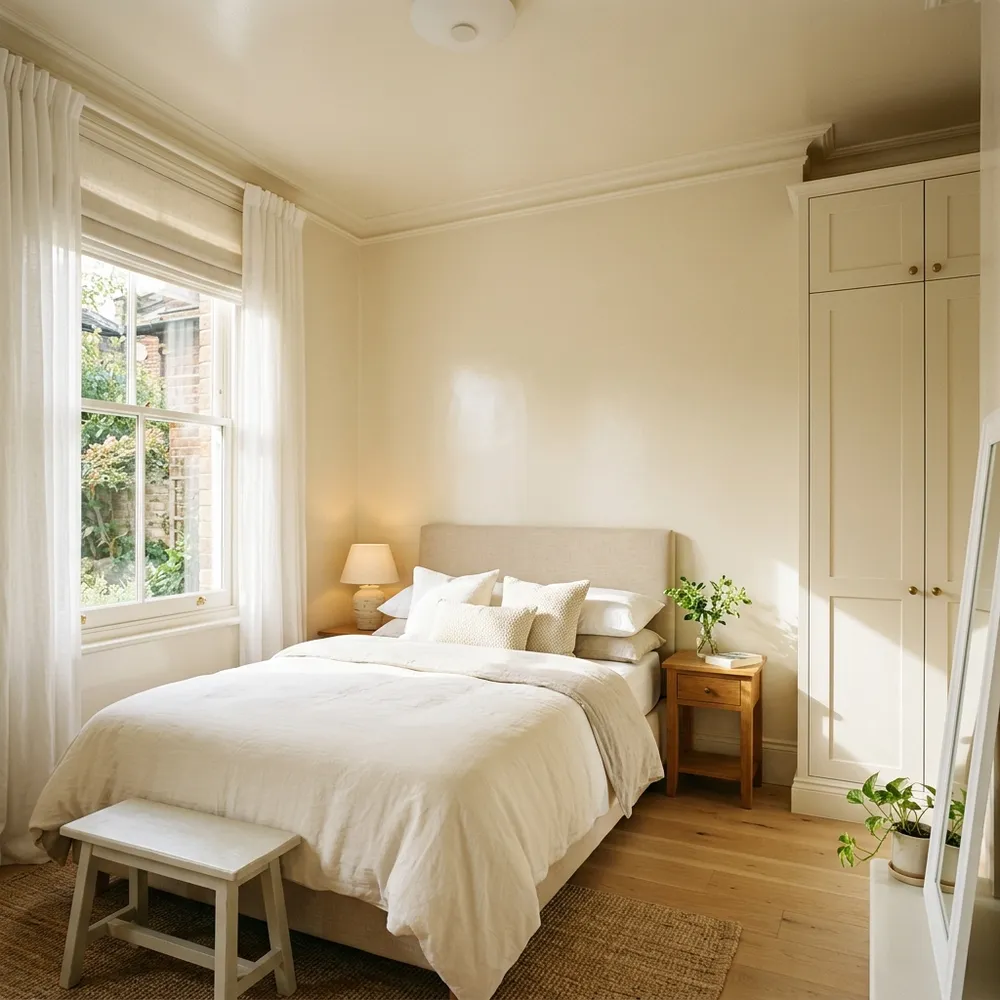
Paint is the easiest and most affordable tool for changing how space is perceived. In a compact room, dark paint colors absorb light, making walls feel like they are closing in, whereas light colors reflect light.
Warm Ivory and Soft Sand Paint
Bouncing Natural Sunlights Deeply
Paint your walls in a warm white, soft ivory, or light sandy beige to make the boundaries of the room feel like they are expanding.
Selecting High Light Reflectance Values
Choose paint colors with a light reflectance value of seventy or higher to maximize the brightness of natural light.
Painting Trim and Ceilings to Match
Eliminating Contrast Wall Borders
Paint your baseboards, door frames, and window trim in the exact same color as your walls to create a seamless wall look.
Extending Ceilings with Paint Finishes
Paint the ceiling in the same light neutral tone, using a flat finish to make the ceiling look higher and hide imperfections.
Strategic Furniture Selection and Layouts
Selecting Low-Profile Bed Frames
The bed is the largest piece of furniture in the room. Choosing a design that sits low to the floor preserves precious vertical wall space.
Minimalist Wooden Platform Beds
Preserving Vertical Wall Proportions
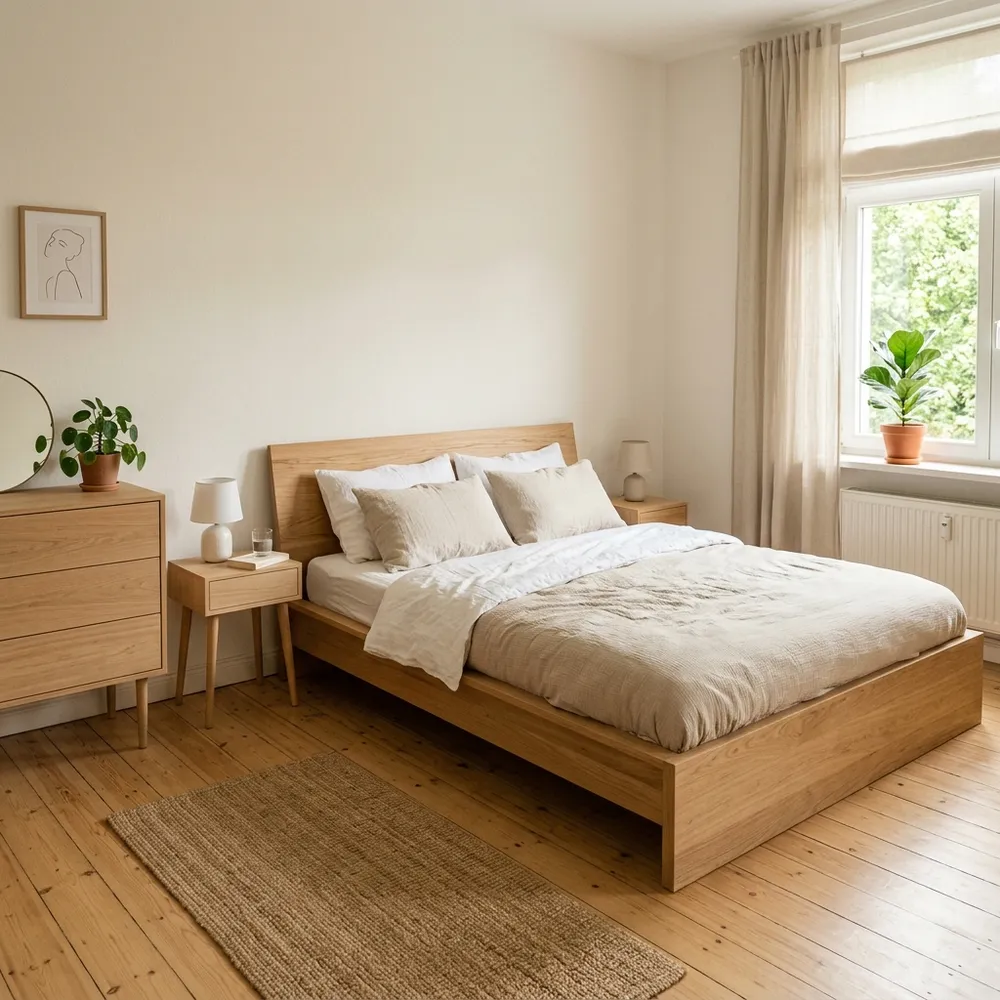
Choose a low-profile platform bed frame without a heavy footboard to keep the view across the mattress open and clear.
Creating Clean Uncluttered Lines
The simple, low lines of a platform bed frame help the room look more organized, modern, and spacious in your layout.
Keeping Furniture Scale Proportional
Choosing Slim Tall Dressers
Avoid wide, bulky dressers that block walking paths, and instead select a tall chest of drawers that uses vertical wall space.
Leaving Breathing Room Around Beds
Ensure there is at least eighteen inches of clear space on either side of the mattress to prevent a cramped, squished feel.
Elevating Furniture on Slender Legs
Furniture that sits flat on the floor can look heavy and block light. Choosing elevated pieces makes the layout feel much lighter.
Visual Floor Space Visibility
Revealing More Floor Surfaces
Select a nightstand, dresser, and bed frame that stand on tall, slender legs, showing more of the hardwood floor underneath.
Creating Airy Bedroom Layouts
When you can see the floor stretching underneath your furniture, the brain automatically perceives the room as larger.
Improving Air and Light Flow
Allowing Natural Lights Pass Under
Elevated furniture allows natural window light to circulate under and around pieces, eliminating dark, heavy shadows.
Creating Breezy Spacious Feelings
The open space underneath your bed and nightstands promotes a breezy, uncluttered vibe that makes the room feel comfortable.
Using Mirrors and Window Treatments Wisely
Positioning Oversized Floor Mirrors
Mirrors are a classic designer trick for doubling the perceived size of a room by reflecting light and creating depth.
Placing Mirrors Opposite Windows
Catching Natural Sunlights Directly
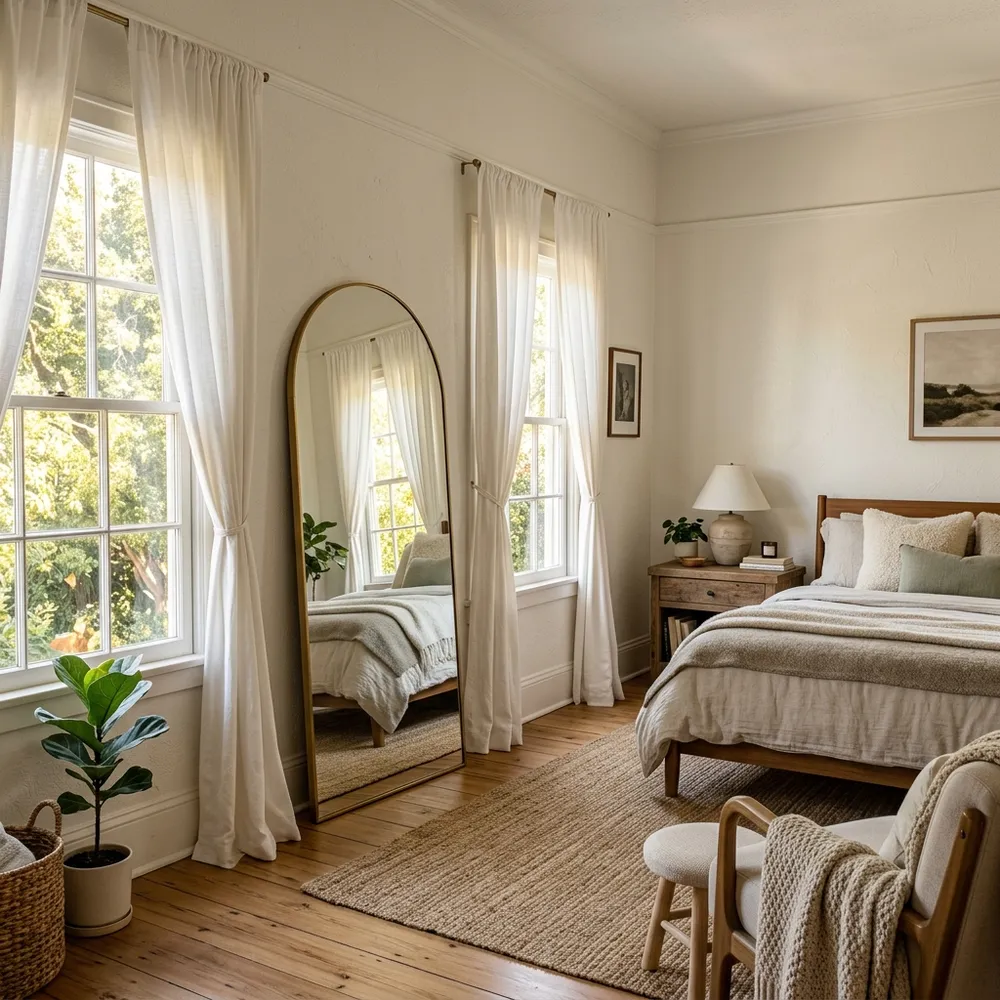
Lean a tall arched mirror against the wall opposite your window to catch the incoming light and throw it back into the room.
Brightening Up Dim Corner Nooks
The reflected window light instantly brightens up dark corners, making the entire bedroom layout feel open and sunny.
Doubling the Visual Depth of Rooms
Creating Reflections of Spaces
The mirror reflects the bed and walls, tricking the brain into thinking the room stretches twice as far as it actually does.
Choosing Thin Minimalist Frames
Select a mirror with a thin brass or wood frame to prevent it from looking heavy or taking up too much visual space.
Hanging High and Wide Curtains
Mounting Rods Near Ceiling Lines
Mount your curtain rods just a few inches below the ceiling rather than right above the window frame to make walls look taller.
Extending Rods Wider Than Windows
Extend the rod at least six inches past the window frame on each side so curtains do not block light when opened.
Using Sheer Curtains for Brightness
Choose sheer linen or cotton curtains that let maximum natural light filter in while still providing privacy from the outside.
Frequently Asked Questions (FAQ)
What are the most effective design principles to make a small bedroom feel bigger?
To make a small bedroom feel more spacious, focus on minimizing clutter, utilizing vertical space, and choosing visually light furniture. Keep the room tidy and organized to avoid a cramped feeling. Incorporate wall-mounted shelves or furniture to free up floor space, and select pieces with clean lines and legs that allow light to pass underneath, creating an illusion of openness.
What kind of furniture choices can help maximize space and create a larger feel in a small bedroom?
Opt for multi-functional furniture, such as a bed with built-in storage drawers or a platform bed. Wall-mounted nightstands or floating desks can save precious floor space. Consider choosing furniture with a light visual presence, like pieces made of glass, acrylic, or those with slender legs, which allow light to pass through and prevent the room from feeling heavy. Mirrored furniture can also reflect light and expand the perception of space.
How do color schemes and lighting strategies contribute to making a small bedroom appear larger?
Color and lighting are powerful tools for spatial perception. Lighter and cooler color palettes, such as whites, creams, light grays, and pastels, reflect more light and make walls appear to recede, creating an open and airy feel. Avoid dark, heavy colors on all walls. For lighting, maximize natural light by using sheer curtains or blinds. Supplement with layered artificial lighting, including ambient ceiling lights, task lighting (like reading lamps), and accent lighting, to brighten corners and eliminate shadows, which can make a room feel smaller.
Love these ideas?
Save this article to your Pinterest board for later inspiration!


