Small Kitchen Ideas with Floating Shelves for More Storage
Unlock the potential of your compact kitchen! Discover elegant small kitchen ideas with floating shelves for enhanced storage, style, and visual spaciousness. Expert tips for design, placement, and organization.

Small Kitchen Ideas with Floating Shelves for More Storage
In the realm of interior design, few spaces present as delightful a challenge as the small kitchen. Far from being a mere utility zone, the kitchen is the heart of the home, a place for culinary creativity and warm gatherings. Yet, when square footage is at a premium, achieving both functionality and aesthetic appeal can feel like an intricate puzzle. Enter the elegant, versatile solution that has captivated designers and homeowners alike: floating shelves.
These seemingly simple additions are not just about adding storage; they are about transforming the very perception of space. By embracing small kitchen ideas with floating shelves, you can unlock a world of design possibilities, making your compact culinary haven feel larger, brighter, and infinitely more stylish. This comprehensive guide will delve into how to master the art of integrating floating shelves, ensuring your small kitchen not only works harder but looks stunning doing it.
The Unrivaled Advantages of Floating Shelves in Compact Kitchens
Before we dive into the specifics, let's understand why floating shelves are such a potent tool for small kitchen ideas with floating shelves. Their magic lies in their inherent ability to enhance both form and function without overwhelming the space.
Space Optimization Without Bulk
Traditional upper cabinets, while offering ample storage, often contribute to a feeling of visual heaviness, particularly in tiny kitchens. Floating shelves, by contrast, offer open, airy storage that doesn't obstruct sightlines. This visual lightness is paramount in compact kitchen shelving solutions, allowing your walls to breathe and making the entire room feel more expansive. They capitalize on vertical space, turning unused wall areas into valuable real estate for everyday essentials and decorative accents.
Enhanced Accessibility and Visual Appeal
Imagine grabbing your favorite mug or spice jar without fumbling through a deep cabinet. Floating shelves put frequently used items within easy reach, streamlining your cooking process. Moreover, they offer an unparalleled opportunity for display. Your beautiful ceramics, cherished cookbooks, or a collection of elegant glassware become part of your kitchen's decor, adding personality and charm. This blend of practical storage and aesthetic display is a hallmark of clever small kitchen ideas with floating shelves.
Versatility in Design and Placement
From minimalist modern to rustic farmhouse, floating shelves seamlessly adapt to any design aesthetic. Their clean lines and lack of visible hardware contribute to a sleek, contemporary look, while the choice of material can infuse warmth or industrial edge. Furthermore, their flexible nature means they can be installed in unconventional spots – over a window, in a forgotten corner, or even extending from existing cabinetry – making them ideal for truly bespoke tiny kitchen storage solutions.
Selecting the Perfect Floating Shelves for Your Space
The journey to an optimized small kitchen begins with choosing the right shelves. This isn't just about aesthetics; it's about durability, material compatibility, and scale.
Material Matters: A Guide to Shelf Finishes
The material of your floating shelves plays a pivotal role in both their functionality and their contribution to your kitchen's overall design narrative.
Wood: Timeless Warmth and Versatility
- Solid Wood (Oak, Maple, Walnut): Offers unparalleled durability and a rich, natural aesthetic. Ideal for traditional, rustic, or modern farmhouse small kitchen ideas with floating shelves. The grain adds texture and warmth.
- Reclaimed Wood: Infuses character and a sense of history, perfect for industrial or bohemian styles.
- Laminate/MDF with Wood Veneer: A more budget-friendly option that can mimic the look of solid wood. Ensure high-quality finishes for longevity in a kitchen environment.
Metal: Sleek, Industrial, and Robust
- Stainless Steel: The epitome of modern, industrial design. Easy to clean and incredibly durable, making it excellent for holding heavier items like cast iron pots. It reflects light, contributing to a brighter space.
- Black or Brass-Finished Metal: Adds a touch of sophistication and can serve as a striking accent against lighter walls. Often paired with glass or wood inserts for a mixed-material look.
Glass: Unrivaled Lightness and Elegance
- Tempered Glass: The ultimate choice for maintaining an airy, almost invisible storage solution. Glass shelves allow light to pass through, making the kitchen feel even more spacious. Best for displaying lighter, more decorative items like stemware or small plants.
Other Materials: Concrete, Stone, or Acrylic
- Concrete/Stone: For a truly robust, modern, or industrial statement. These are heavy and require strong wall support but offer a unique, raw aesthetic.
- Acrylic: A contemporary, lightweight option that can be clear or colored, offering a playful or ultra-modern touch.
Style and Scale: Matching Shelves to Your Kitchen's Personality
Beyond material, consider the style of the shelves themselves. Are they thick and chunky, or thin and minimalist? The thickness of the shelf can dramatically alter the visual weight.
- Minimalist: Thin, clean-edged shelves in a neutral material (white laminate, light wood, glass) blend seamlessly, perfect for contemporary small kitchen ideas with floating shelves.
- Industrial: Thick wood slabs paired with visible metal brackets (though technically not "floating," they achieve a similar open look), or solid metal shelves.
- Rustic/Farmhouse: Distressed wood, sometimes with a live edge, brings warmth and character.
Always consider the scale of your kitchen. Overly deep or long shelves can still make a small space feel cramped. Aim for shelves that are proportionate to the wall they're on and the items they will hold. Typically, 8-12 inches deep is sufficient for most kitchen items.
Strategic Placement: Where to Install Your Floating Shelves
The beauty of floating shelves lies in their adaptability. Thoughtful placement is key to maximizing their impact in small kitchen ideas with floating shelves.
Above the Sink or Stove
This often-underutilized vertical space is prime real estate. A single, long floating shelf above the sink can hold frequently used dish soap, sponges, or small decorative plants, keeping countertops clear. Above the stove, heat-resistant shelves can store spices, oils, or even a small collection of attractive cooking utensils, provided they are placed at a safe distance from heat sources.
Corner Solutions
Corners are notorious for being awkward in small kitchens. Custom-cut L-shaped floating shelves or a series of individual shelves can transform a neglected corner into functional storage for cookbooks, small appliances, or decorative pieces. This clever use of space is a hallmark of effective vertical kitchen storage for small spaces.
Extending from Existing Cabinetry
For a cohesive look, consider installing floating shelves that align with the bottom or top of your existing upper cabinets. This creates a more integrated design, bridging the gap between open and closed storage and making the transition visually smooth.
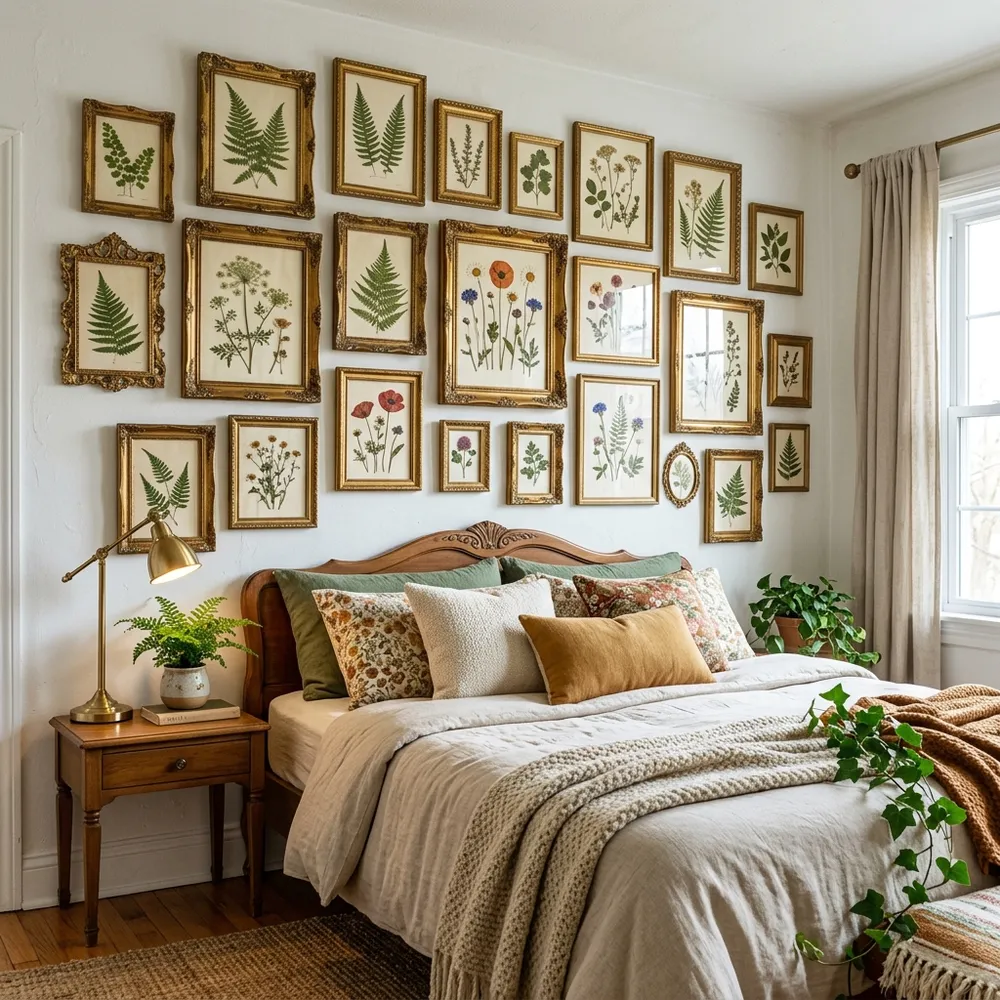
A cozy small kitchen with minimalist white floating shelves above a countertop, neatly holding essential spices and small decor items, creating functional and aesthetic storage.
Maximizing Storage and Style on Your Shelves
Once your shelves are installed, the real fun begins: styling and organizing them to be both beautiful and highly functional. This is where small kitchen ideas with floating shelves truly shine, allowing you to blend utility with personal expression.
Organization Hacks for Every Item
The key to successful open shelving is curated organization. Clutter can quickly negate the airy feel you're trying to achieve.
- Decant and Unify: Transfer dry goods (pasta, rice, cereals, spices) into matching glass jars or airtight containers. This creates a cohesive, visually appealing display and eliminates mismatched packaging. Label them clearly for easy identification.
- Stack and Nest: Utilize the height of your shelves by stacking plates, bowls, and mugs. Nesting bowls or measuring cups saves space.
- Baskets and Bins: For smaller, less attractive items (e.g., snacks, tea bags, extra dish towels), attractive baskets or bins (wicker, wire, fabric) are your best friends. They hide clutter while adding texture.
- Vertical Dividers: Use small shelf dividers to keep cutting boards, serving trays, or baking sheets upright and organized.
Styling for Visual Appeal: The Art of the Curated Display
Think of your floating shelves as mini galleries. Every item should earn its spot.
- The Rule of Three: Group items in odd numbers (especially threes) for a more visually dynamic and balanced arrangement.
- Vary Heights and Textures: Mix tall items with short ones, and combine different textures (e.g., smooth ceramics with rough wood, shiny metal with matte stoneware). This adds depth and interest.
- Introduce Greenery: Small potted herbs (basil, mint) or trailing plants (pothos, string of pearls) instantly bring life and freshness to your kitchen.
- Personal Touches: A small piece of art, a cherished souvenir, or a framed photo can add personality and make the kitchen feel more inviting.
- Color Cohesion: Stick to a consistent color palette for your displayed items. This doesn't mean everything has to be monochrome, but choose complementary colors that tie into your kitchen's overall scheme. For instance, if your kitchen has blue accents, incorporate blue ceramics or towels.
- Negative Space: Don't feel compelled to fill every inch. Leaving some empty space allows the eye to rest and prevents the shelves from looking overcrowded.
Integrating Floating Shelves with Overall Kitchen Design
The most successful small kitchen ideas with floating shelves are those where the shelves feel like an intrinsic part of the design, not an afterthought. This involves considering color palettes, lighting, and how they interact with other kitchen elements.
Color Palettes and Finishes
The color scheme of your kitchen significantly impacts how spacious it feels.
- Light and Bright: White, off-white, light grey, or pastel walls are classic choices for small kitchens, as they reflect light and make the space feel larger. Pair these with natural wood floating shelves for warmth, or white/glass shelves for a seamless, minimalist look.
- Monochromatic Schemes: Using varying shades of a single color can create a sophisticated, cohesive look. For example, light grey walls with slightly darker grey floating shelves.
- Bold Accents: If your kitchen is predominantly neutral, consider a pop of color with your shelves (e.g., painted shelves) or a dramatic backsplash behind them to draw the eye.
- Natural Wood Tones: Whether light birch or dark walnut, wood shelves introduce an organic element. Match the wood tone to other wooden elements in your kitchen (flooring, island, dining table) for harmony.
Lighting: Illuminating Your Display
Strategic lighting can dramatically enhance the functionality and beauty of your floating shelves.
- Under-Shelf Lighting: LED strip lights installed on the underside of shelves provide task lighting for your countertops and create a beautiful ambient glow, highlighting the items on the shelves below.
- Accent Lighting: Small puck lights or miniature spotlights can be recessed into the shelves themselves, drawing attention to specific decorative items.
- Natural Light: Position shelves where they can benefit from natural light, making the space feel more open and vibrant.
Backsplash Harmony
The backsplash behind your floating shelves is an opportunity for design impact.
- Seamless Integration: A continuous backsplash that extends behind the shelves creates a clean, uninterrupted look.
- Contrasting Texture/Color: A textured tile (subway, zellige) or a contrasting color can make the shelves pop and add visual interest.
- Mirrored Backsplash: A mirrored backsplash behind floating shelves can double the perception of space and light, an ingenious trick for small kitchen ideas with floating shelves.
An industrial-chic small kitchen showcasing dark metal floating shelves against a textured grey wall, displaying cookbooks and dark ceramic dishes, adding character and practical storage.
Layout Options for Small Kitchens with Floating Shelves
Different kitchen layouts present unique opportunities for incorporating floating shelves. Understanding these can help you maximize their impact.
Galley Kitchens
In long, narrow galley kitchens, traditional upper cabinets can make the space feel even more constricted. Replacing some or all upper cabinets with floating shelves immediately opens up the sightlines, making the kitchen feel wider and more accessible. Opt for shallow shelves to maintain ample walkway space.
L-Shaped Kitchens
L-shaped layouts often have one wall that feels less utilized. Floating shelves can extend along one or both walls, providing convenient storage near the stove or sink without blocking window views. In the corner, a custom L-shaped shelf can create a seamless transition.
U-Shaped Kitchens
While U-shaped kitchens offer more counter space, they can still feel enclosed. Selectively replacing upper cabinets on one or two walls with floating shelves can reduce visual bulk, especially above the sink or a key prep area. This maintains storage while introducing an open aesthetic.
Single-Wall Kitchens
In the most compact single-wall kitchens, every inch counts. Floating shelves are an absolute necessity here, providing crucial space-saving kitchen design elements. They allow you to stack storage vertically without encroaching on the limited countertop space, making the kitchen feel more like a stylish nook than a cramped corridor. Consider extending one long shelf across the entire wall for a streamlined look.
A brightly lit small kitchen featuring a strategically placed long wooden floating shelf extending above the sink area, holding a plant and frequently used items, maximizing vertical space.
Common Mistakes to Avoid When Designing with Floating Shelves
Even the most brilliant small kitchen ideas with floating shelves can falter with common missteps. Be mindful of these pitfalls to ensure your project's success.
Overloading the Shelves
The temptation to fill every available surface can be strong, but this quickly leads to visual clutter. Remember, floating shelves thrive on an edited, curated look. Leave some breathing room between items and consider the visual weight of what you're displaying. Less is often more.
Inconsistent Styling
A hodgepodge of mismatched containers, random items, and clashing colors will detract from the aesthetic. Strive for a cohesive look by sticking to a limited color palette, grouping similar items, and maintaining a consistent style that complements your kitchen's overall design.
Ignoring Functionality for Aesthetics
While beauty is important, your kitchen is a workspace. Ensure that the items you place on your shelves are either frequently used and easily accessible, or genuinely contribute to the decor. Don't sacrifice practicality for a purely decorative display if it hinders your kitchen's workflow.
Poor Installation
Floating shelves, especially when laden with kitchen items, must be securely installed into wall studs or with appropriate heavy-duty anchors. Poor installation can lead to sagging shelves, damage to walls, or even injury. If unsure, hire a professional.
Neglecting Cleaning and Maintenance
Open shelving means items are exposed to dust, grease, and cooking fumes. Regular cleaning of both the shelves and the items on them is crucial to maintain a fresh, sparkling appearance. Choose materials that are easy to wipe down.
Conclusion: Embrace the Openness
The journey to an optimized, beautiful small kitchen doesn't have to be fraught with compromise. By embracing thoughtful small kitchen ideas with floating shelves, you can transform your compact space into a highly functional, visually expansive, and deeply personal culinary sanctuary. From selecting the perfect materials and mastering strategic placement to artfully organizing and styling your displays, every detail contributes to a cohesive and inviting environment.
Floating shelves are more than just a storage solution; they are a design statement, an invitation to curate your kitchen's narrative, and a testament to the power of smart design in maximizing every inch. Dare to embrace the openness, and watch your small kitchen flourish with renewed purpose and undeniable style.
Frequently Asked Questions (FAQ)
Q: Are floating shelves practical for heavy items in a small kitchen? A: Yes, absolutely, but careful consideration of material and installation is crucial. For heavier items like stacks of plates or small appliances, opt for robust materials like solid wood or metal, and ensure they are securely mounted into wall studs using heavy-duty brackets or anchors. The weight capacity of a shelf is primarily determined by its construction and how it's attached to the wall. Always check the manufacturer's weight rating and consult with a professional if you're unsure about installation for heavy loads.
Q: How do I keep floating shelves clean and organized in a busy kitchen? A: Maintaining cleanliness and organization is key for open shelving. Firstly, be selective about what you display; only put items that are frequently used, aesthetically pleasing, or stored in attractive, airtight containers. Secondly, establish a regular cleaning routine: wipe down shelves and items weekly to prevent dust and grease buildup. Decanting dry goods into matching jars and using baskets for smaller, less attractive items will help maintain a tidy appearance. Keep cooking oils and spices within easy reach but ensure they are in visually appealing vessels.
Q: What depth of floating shelf is ideal for a small kitchen? A: For most small kitchens, a shelf depth of 8 to 12 inches is ideal. An 8-inch depth is sufficient for standard plates, glasses, and most food containers, providing adequate storage without protruding too far into the workspace. If you plan to store larger items or small appliances, a 10-12 inch depth might be more suitable. Anything deeper can start to feel bulky and reduce valuable counter space or walkway clearance in a compact kitchen. Always measure your most frequently used items to ensure they fit comfortably.
Q: Can floating shelves work in a kitchen with children or pets? A: Yes, but with some extra precautions. For homes with children, consider placing fragile or sharp items on higher shelves out of reach. For frequently accessed items, ensure they are stable and not easily knocked off. Securely mounted shelves are paramount to prevent accidents. For pets, particularly curious cats, avoid placing tempting breakables on easily accessible lower shelves. Focus on durable, less fragile items for lower displays, or use closed baskets to contain items safely. The key is secure installation and thoughtful item placement.
Love these ideas?
Save this article to your Pinterest board for later inspiration!


